
Equipping a Starter Medical Laboratory in Kenya: The 40-Item Checklist
Short answer: a starter medical laboratory needs 40 items across five groups: core diagnostic instruments (microscope, centrifuge, chemistry and haematology analysers, autoclave), sample collection consumables (vacutainer tubes, needles, slides, specimen containers), reagents and rapid test kits (malaria, HIV, pregnancy, urinalysis), chemical-resistant furniture with a sink and a dedicated fridge, and safety equipment (gloves, coats, sharps containers, biohazard bins).
A bench laboratory inside an existing clinic can open on the first three groups. A standalone laboratory registered with KMLTTB needs all five, plus premises that pass inspection. Below is every item, what each one is actually for, and what it costs in Kenya.
Prices are indicative 2026 market ranges, not a price list. Ask for a quotation against your own test menu before committing a budget.
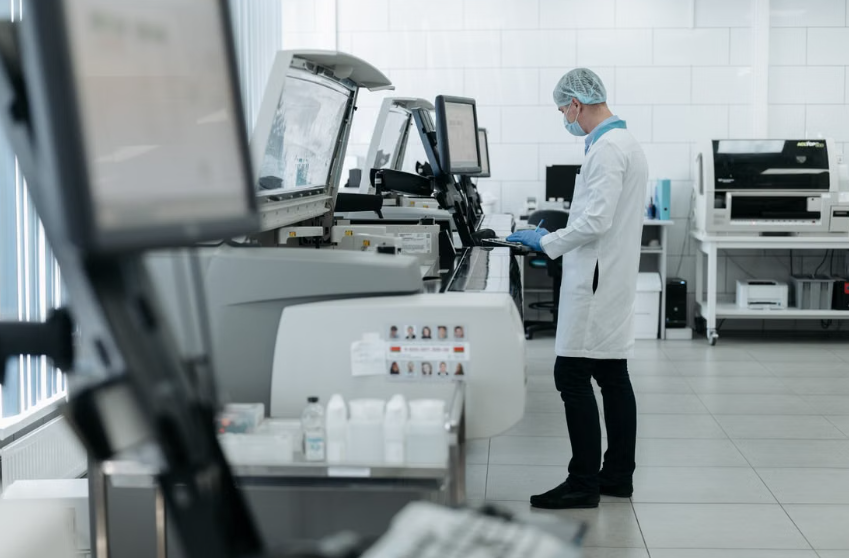
Most people equipping a laboratory for the first time start by asking what a microscope costs. It is the wrong first question, and it produces the same result nearly every time: a bench full of instruments that between them cannot complete a single test panel, because nobody worked backwards from what the laboratory was actually going to run.
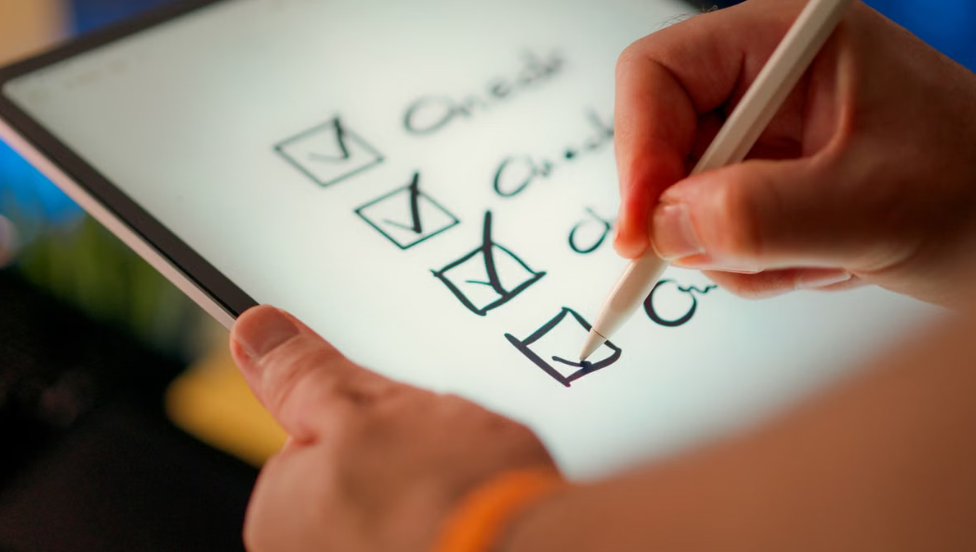
The checklist below is built the other way round. Every item says what it is for, so you can strike out the ones your test menu does not need instead of buying the list wholesale. Forty items covers a laboratory running the routine Kenyan outpatient menu: malaria, HIV, urinalysis, stool microscopy, full blood count and basic chemistry.
This article covers what to buy. For the total build budget, the licensing sequence and whether the business pays, read the companion piece on the cost of starting a medical laboratory in Kenya.
What do you need to set up a medical laboratory?
Five things, and the equipment is only one of them.
| Requirement | What it means in practice |
|---|---|
| A defined test menu | The list of tests you will offer on day one. Everything else follows from it. |
| Premises that pass inspection | Separate reception, sample collection and testing areas, running water, drainage, ventilation and controlled waste storage. |
| Registered personnel | A laboratory technologist or technician registered with KMLTTB. The facility cannot be licensed without one. |
| Equipment and consumables | The 40 items below, matched to the menu. |
| Documentation | Standard operating procedures, equipment manuals, calibration and maintenance records, and a quality register. |
Facilities fail opening inspections on the last two far more often than on the first three. Equipment is visible and gets bought. SOPs are invisible and get postponed, and then the inspector asks for them.
Start from the test menu, not the equipment
Write down the tests you will offer in month one. Then map each test to the instruments it needs. The mapping is short, and it will usually cut your shopping list.
| Test | What it needs |
|---|---|
| Malaria (microscopy) | Microscope, slides, Giemsa or Field’s stain |
| Malaria (rapid) | RDT kits, lancets. No instrument at all |
| Full blood count | Haematology analyser, EDTA tubes, reagents |
| Urinalysis | Test strips, specimen containers, microscope and centrifuge for deposit |
| Stool microscopy | Microscope, slides, containers, applicator sticks |
| Liver and renal function, lipids, glucose | Chemistry analyser, reagents, plain or SST tubes, centrifuge |
| Electrolytes | ISE electrolyte analyser |
| HIV, hepatitis, H. pylori, pregnancy | Rapid kits. No instrument |
| VDRL, RPR, latex agglutination | Rotator or mixer, slides |
| Culture and sensitivity | Incubator, media, loops, autoclave |
Notice how much of a routine Kenyan outpatient menu runs on rapid kits and a microscope. A laboratory doing malaria, HIV, pregnancy, urinalysis and stool microscopy needs no analyser at all. That is the cheapest genuinely useful laboratory you can open, and plenty of profitable ones never go further.
Core diagnostic equipment and their uses (items 1 to 11)
The instruments. This is where most of the capital goes, and where the test menu does the most work in cutting the list.
| # | Item | What it is for | Price (KES) |
|---|---|---|---|
| 1 | Binocular microscope | Urinalysis deposit, stool microscopy for ova and cysts, blood smears for malaria parasites, Gram stains | 45,000 – 140,000 |
| 2 | Tabletop centrifuge, 8 or 12 place | Separating whole blood into serum or plasma before chemistry, and spinning urine deposit | 35,000 – 90,000 |
| 3 | Microhaematocrit centrifuge | Packed cell volume, the cheapest reliable anaemia screen | 45,000 – 110,000 |
| 4 | Semi-automatic chemistry analyser | Liver and renal function, lipid profile, glucose, uric acid | 180,000 – 290,000 |
| 5 | Haematology analyser, 3-part differential | Full blood count with white cell differential | 280,000 – 650,000 |
| 6 | Electrolyte analyser (ISE) | Sodium, potassium and chloride. Skip unless you take referrals or inpatients | 250,000 – 550,000 |
| 7 | Micropipette set, P10 / P100 / P1000 | Measuring reagents and samples accurately. Accuracy here decides whether your results are defensible | 6,500 – 18,000 each |
| 8 | Rotator or shaker | VDRL, RPR and latex agglutination tests | 25,000 – 60,000 |
| 9 | Water bath | Incubating reactions at 37°C for serology and some chemistry methods | 20,000 – 55,000 |
| 10 | Incubator | Culture plates for microbiology. Only if you are offering culture and sensitivity | 45,000 – 130,000 |
| 11 | Autoclave, 18 to 23 litre | Decontaminating infectious waste before disposal and sterilising reusable items | 20,000 – 55,000 |
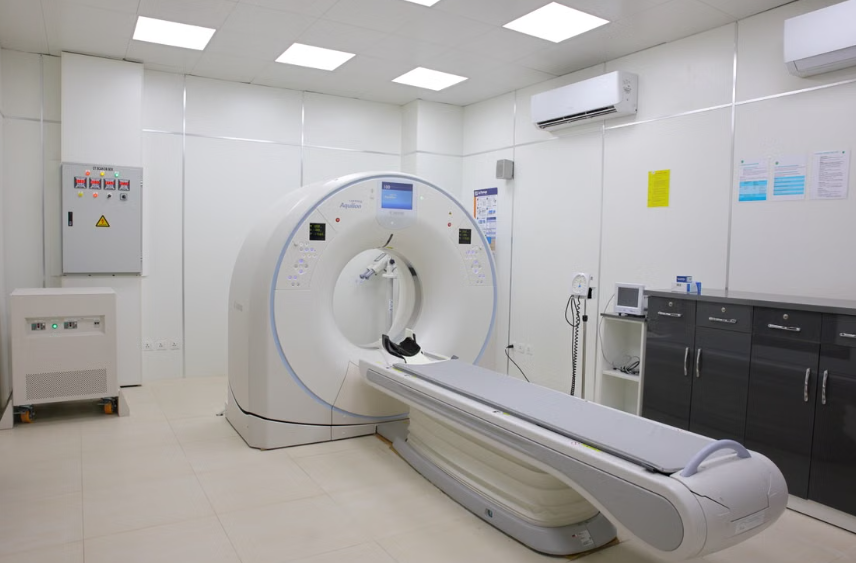
On items 4 and 5, the semi-automatic against fully automatic decision is worth working through properly rather than guessing. We ran the arithmetic in a separate piece on semi-automatic vs fully automatic chemistry analysers, including the daily sample count at which automation starts paying for itself.
Sample collection and consumables (items 12 to 23)
Low cost per item, high consumption. These are the lines a laboratory runs out of, usually on a Saturday.
| # | Item | What it is for | Price (KES) |
|---|---|---|---|
| 12 | EDTA tubes, purple top | Full blood count and other haematology. The anticoagulant preserves cell morphology | 900 – 1,700 per 100 |
| 13 | Plain and SST tubes, red or gold top | Chemistry and serology, where you need serum rather than whole blood | 950 – 1,800 per 100 |
| 14 | Fluoride oxalate tubes, grey top | Glucose, because fluoride stops the cells consuming it in the tube | 950 – 1,800 per 100 |
| 15 | Citrate tubes, blue top | Coagulation studies and ESR | 1,000 – 1,900 per 100 |
| 16 | Vacutainer needles and holders | Venepuncture into vacuum tubes | 900 – 1,900 per 100 |
| 17 | Tourniquets | Raising the vein. Buy several, they disappear | 150 – 400 each |
| 18 | Syringes and needles, 5ml and 10ml | Draws where vacuum collection is impractical, including paediatric and difficult veins | 800 – 1,900 per 100 |
| 19 | Blood lancets, sterile | Capillary sampling for rapid tests, glucose and PCV | 200 – 450 per 100 |
| 20 | Microscope slides, frosted end | Blood films, stool and urine preparations. The frosted end takes a pencil label | 180 – 380 per 50 |
| 21 | Cover slips, 22 x 22mm | Covering wet preparations for microscopy | 120 – 260 per 100 |
| 22 | Specimen containers, 30ml sterile | Urine, stool and sputum collection | 600 – 1,200 per 100 |
| 23 | Pipette tips, yellow and blue | Disposable tips for the micropipettes. One per sample, never reused | 450 – 1,100 per 1,000 |
Reagents and rapid test kits (items 24 to 29)
The highest-margin work in most Kenyan outpatient laboratories, and the shortest shelf life. Buy to turnover, not to a discount.
| # | Item | What it is for | Price (KES) |
|---|---|---|---|
| 24 | Malaria rapid diagnostic tests | Point-of-care malaria antigen detection, results in 15 to 20 minutes | 2,500 – 5,500 per 25 |
| 25 | HIV rapid test kits | Screening and confirmatory testing per the national algorithm | 1,800 – 4,500 per box |
| 26 | Pregnancy test strips or cassettes | Urine hCG. Among the highest-volume tests in a Kenyan outpatient lab | 350 – 900 per 50 |
| 27 | Urine test strips, 10-parameter | Protein, glucose, ketones, blood, leucocytes, nitrites and pH in one dip | 900 – 1,800 per 100 |
| 28 | Stains: Giemsa, Field’s, Gram set | Blood films for malaria parasites and Gram staining for bacteriology | 1,500 – 6,000 per set |
| 29 | Chemistry reagents for your analyser | The test-specific reagent kits. Check open or closed system before buying the machine | By panel, quoted per test |
Item 29 carries a trap worth naming. A closed-system analyser only accepts reagents from its own manufacturer, which means the machine price is not the decision, the reagent price for the next five years is. Ask what a full liver panel costs in reagent before you buy the analyser, not after.
Laboratory furniture and fittings (items 30 to 34)
The part that gets value-engineered out of the budget and then fails the inspection.
| # | Item | What it is for | Price (KES) |
|---|---|---|---|
| 30 | Chemical-resistant workbench | Bench surface that survives reagents, stains and disinfectant without pitting or absorbing spills | 35,000 – 95,000 per run |
| 31 | Laboratory stools, height adjustable | Bench-height seating. Microscopy is done sitting, for hours | 6,500 – 18,000 each |
| 32 | Stainless steel sink with running water | Handwashing and glassware. An inspection requirement, not a convenience | 18,000 – 55,000 |
| 33 | Lockable reagent and record cabinet | Secure storage for reagents, kits and patient records | 25,000 – 70,000 |
| 34 | Dedicated laboratory refrigerator, 2 to 8°C | Reagents, kits and samples awaiting testing. Not the staff room fridge, and not shared with food | 45,000 – 160,000 |
Safety equipment and waste control (items 35 to 40)
The cheapest group on the list and the one an inspector checks first, because it is the one that shows whether the laboratory is actually being run.
| # | Item | What it is for | Price (KES) |
|---|---|---|---|
| 35 | Nitrile examination gloves, powder-free | Barrier protection at the bench and during collection. Nitrile over latex for chemical resistance | 620 – 950 per box |
| 36 | Laboratory coats | Protecting skin and clothing. Kept in the laboratory, not worn home | 1,200 – 3,000 each |
| 37 | Safety goggles or face shield | Eye protection when handling reagents and during any procedure that can splash | 600 – 2,500 |
| 38 | Sharps containers, 5 litre rigid | Puncture-proof disposal of needles and lancets at the point of use | 350 – 700 each |
| 39 | Biohazard bags and colour-coded bins | Segregating infectious waste from general waste, as the waste regulations require | 350 – 700 per 50 |
| 40 | First aid kit, eyewash and fire extinguisher | Spill and injury response. Required at inspection and genuinely used | 4,500 – 15,000 |
The order to buy in when cash is tight
Almost nobody opens with all forty items. The sequence below keeps the laboratory earning from the first week and defers the expensive instruments until volume justifies them.
Phase one, opening week. Microscope, tabletop centrifuge, microhaematocrit centrifuge, micropipettes, the full consumables and rapid kit list, bench, stool, sink, fridge and the complete safety group. That laboratory can run malaria by microscopy and rapid test, HIV, pregnancy, urinalysis, stool microscopy and PCV from day one. It is a real laboratory with a real revenue line.
Phase two, once you know your volumes. The semi-automatic chemistry analyser, which opens liver function, renal function, lipids and glucose panels. These are the tests clinicians ask for most often once they trust you, and the ones patients are currently walking down the road to buy.
Phase three, on evidence. Haematology analyser, then electrolytes, then incubator and culture if there is genuine demand. Buy each one when the referral volume you are turning away covers the instrument inside a year.
The autoclave is the exception to phasing. Buy it in phase one regardless of test menu, because infectious waste starts accumulating on day one and there is no interim arrangement that survives an inspection.
SOPs, quality essentials and lab rules
Documentation is the half of laboratory setup that has no purchase order attached, which is exactly why it gets left until the week of the inspection.
You need a written standard operating procedure for every test you offer, covering specimen requirements, the method, quality control, reference ranges and how results are reported. You need equipment manuals kept where the bench staff can reach them, a calibration and maintenance log per instrument, a temperature log for the fridge, a reagent register with lot numbers and expiry dates, and a record of internal quality control runs.
The quality framework the sector works to organises all of this into twelve areas: organisation, personnel, equipment, purchasing and inventory, process control, information management, documents and records, occurrence management, assessment, process improvement, customer service, and facilities and safety. You do not need a consultant to satisfy them at starter scale. You need the logs to exist, to be filled in on the day rather than reconstructed, and to be where the assessor can find them.
The bench rules are shorter and non-negotiable: no eating, drinking or storing food in the laboratory; personal protective equipment on before work starts, not after the first splash; every specimen handled as though it is infectious; sharps into the container at the point of use and never recapped; and all spills cleaned with the correct disinfectant immediately, by whoever made them.
Looking after the equipment
Laboratory instruments in Kenya fail from three causes far more often than from age: dust, unstable power and skipped maintenance. All three are cheap to prevent and expensive to repair.
Keep the microscope covered when it is not in use and clean the objectives with lens tissue and the correct solvent, never with a lab coat sleeve. Immersion oil left on a 100x objective overnight will haze it permanently. Run the analysers on a voltage stabiliser or a small UPS, because a brownout mid-cycle damages more chemistry analysers here than any other single cause. Balance the centrifuge every time, including when you are in a hurry with one tube, because that is exactly when rotors fail. Calibrate the pipettes on a schedule and log it, since a drifting P100 quietly corrupts every chemistry result you issue without ever announcing itself. And keep the fridge on its own circuit with a thermometer inside and a log on the door.
Most of this is a twenty-minute weekly routine. We wrote it down as a practice care calendar, free to download, which is the same checklist our engineers work from when they service a laboratory.
Five ways starter labs waste money
- Buying the analyser before the volume exists. A chemistry analyser running four samples a day costs more in wasted calibrators and expired reagents than it earns. Phase it.
- Ignoring the reagent system. A closed-system machine at a good price with expensive proprietary reagents is the most common false economy in this market. Price five years of reagent, not the box.
- Twelve suppliers for forty items. Twelve invoices, twelve deliveries, twelve people to chase, and no single relationship worth anything when something fails.
- Skipping the stabiliser. Saving KES 15,000 on power conditioning and then paying KES 120,000 for an analyser board is an arithmetic most labs only do once.
- Leaving documentation to inspection week. SOPs and logs reconstructed the night before are obvious to an assessor, and they are the commonest reason a laboratory that has bought everything correctly still does not open on schedule.
What a phase-one laboratory looks like
A clinic laboratory in Embu, 2025. The owner had budgeted for a haematology analyser and a chemistry analyser because that is what the quotations he had been sent assumed. Between them they accounted for most of his capital and would have left no working budget for consumables.
We went through his expected menu instead. Malaria, HIV, pregnancy, urinalysis, stool and PCV covered the overwhelming majority of what his clinicians were actually ordering. He opened on the phase-one list: microscope, both centrifuges, pipettes, the full consumables and rapid kit stock, bench, sink, fridge, autoclave and the safety group.
He added the semi-automatic chemistry analyser in month five, on his own numbers rather than ours, once the chemistry requests he was turning away made the case. The haematology analyser is still not there, and on his current volumes it should not be.
The point of that story is not that analysers are bad. It is that the equipment list should be an output of the test menu, and the quotations most people receive are an input to it.
Get the checklist priced against your test menu
Send us your test menu and we will send back this checklist as a priced PDF.
Tell us which tests you intend to offer in month one, your expected daily patient numbers and whether the laboratory is a bench inside a clinic or a standalone facility. We will return the forty-item checklist marked up for your menu, with the items you do not need struck out, current prices against each line, and the phase-one and phase-two split worked out on your numbers rather than an average laboratory’s.
It comes back within one business day. There is no charge and no obligation to buy the list from us, though we would obviously like you to. Our engineers install and service what we supply, in Kenya and Tanzania.
Send your test menu on WhatsApp
Request the checklist in writing
Working out the total build budget? See the cost of starting a medical laboratory in Kenya. Restocking rather than opening? The medical consumables list is priced and stocked in Nairobi. Equipping the whole clinic? Start with what a medical clinic in Kenya actually needs.
Frequently asked questions
What do you need to set up a medical laboratory?
A defined test menu, premises that pass inspection with separate reception, collection and testing areas plus running water and drainage, personnel registered with KMLTTB, the equipment and consumables matched to the menu, and documentation covering standard operating procedures, equipment manuals, calibration logs and quality records. Facilities fail opening inspections on documentation more often than on equipment.
What equipment is used in a medical laboratory and what are their uses?
A binocular microscope for urinalysis deposit, stool microscopy and malaria blood films. A tabletop centrifuge to separate serum from whole blood. A microhaematocrit centrifuge for packed cell volume. A semi-automatic chemistry analyser for liver, renal, lipid and glucose panels. A haematology analyser for full blood counts. An electrolyte analyser for sodium, potassium and chloride. Micropipettes for measuring samples and reagents. A rotator for VDRL and latex agglutination. A water bath for serology incubation. An incubator for culture plates. An autoclave for decontaminating infectious waste.
What are the 10 most essential laboratory equipment items for a starter lab?
Binocular microscope, tabletop centrifuge, microhaematocrit centrifuge, micropipette set, autoclave, chemical-resistant workbench, sink with running water, dedicated 2 to 8 degree refrigerator, sharps containers, and nitrile gloves. A laboratory with those ten plus consumables and rapid kits can run malaria, HIV, pregnancy, urinalysis, stool microscopy and packed cell volume from opening day without any analyser.
What are the 5 important lab safety equipment and their uses?
Nitrile gloves for barrier protection at the bench and during collection. A laboratory coat to protect skin and clothing, kept in the laboratory rather than worn home. Safety goggles or a face shield for procedures that can splash. Rigid puncture-proof sharps containers for needles and lancets at the point of use. Colour-coded biohazard bags and bins to segregate infectious waste from general waste. An eyewash, first aid kit and fire extinguisher complete the group.
What are the main laboratory safety rules?
No eating, drinking or storing food in the laboratory. Personal protective equipment on before work starts. Every specimen handled as though it is infectious. Sharps into the container at the point of use, never recapped. Spills cleaned immediately with the correct disinfectant by whoever made them. Hands washed on leaving the bench. Nothing pipetted by mouth, ever.
What are the 12 quality essentials in a medical laboratory?
Organisation, personnel, equipment, purchasing and inventory, process control, information management, documents and records, occurrence management, assessment, process improvement, customer service, and facilities and safety. At starter scale you satisfy them by keeping real logs filled in on the day rather than reconstructed, not by hiring a consultant.
What are the different types of laboratories?
Medical or clinical laboratories test patient samples for diagnosis. Within that, the common benches are haematology, clinical chemistry, microbiology, serology and immunology, parasitology and histopathology. A starter outpatient laboratory in Kenya usually opens with haematology, chemistry, parasitology and serology, and adds microbiology later if demand justifies an incubator and media.
Can I get a PDF list of medical laboratory equipment?
Yes. Send us your intended test menu and expected daily patient numbers and we will return this forty-item checklist as a PDF marked up for your laboratory, with items you do not need struck out and current Kenyan prices against each line. It comes back within one business day at no charge.
What equipment is needed to start a clinic laboratory in Kenya?
A bench laboratory inside an existing clinic can open on a microscope, a tabletop centrifuge, a microhaematocrit centrifuge, micropipettes, an autoclave, a chemical-resistant bench, a sink, a dedicated fridge, the safety group, and the full consumables and rapid kit list. That covers malaria, HIV, pregnancy, urinalysis, stool microscopy and packed cell volume. Analysers come in phase two once volumes justify them.
Why is it important to take care of laboratory apparatus?
Because most instrument failures in Kenya come from dust, unstable power and skipped maintenance rather than age, and all three are cheap to prevent. Beyond the repair bill, poorly maintained apparatus produces results you cannot defend: a drifting micropipette corrupts every chemistry result without announcing itself, and a fridge running warm degrades reagents silently. Cover the microscope, clean objectives properly, run analysers on a stabiliser, balance the centrifuge every time, calibrate pipettes on a schedule, and log the fridge temperature.
How long does it take to equip and open a medical laboratory in Kenya?
Allow three to six months from decision to opening. Premises identification and fit-out, personnel registration, equipment procurement and installation, and the documentation set run largely in parallel, but the inspection and licensing step sits at the end and is the part you cannot compress. Equipment delivery is rarely the constraint when the items are already in the country. That inspection and licensing step is KMPDC’s own facility registration process. Our breakdown of KMPDC facility licensing requirements covers the Form XIII documents, timelines and fees a standalone laboratory needs alongside its KMLTTB registration.
Where can I buy laboratory equipment in Kenya?
Jodroc Limited supplies laboratory equipment, reagents and consumables from Tom Mboya Street, off Ronald Ngala Lane, to facilities across Kenya and into Tanzania, with installation and servicing by our own engineers. Whichever supplier you use, ask three questions before committing: is the device registered with the Pharmacy and Poisons Board, who services it in Kenya by name, and what does the reagent cost per test rather than per box.
Sources
- Kenya Medical Laboratory Technicians and Technologists Board
- KMLTTB services on eCitizen
- Pharmacy and Poisons Board, registration of medical devices and establishments
- Kenya Medical Practitioners and Dentists Council, licensing of a health facility
- WHO Laboratory Quality Management System handbook
Reviewed September 2026. Equipment, reagent and consumable prices move with the shilling and with shipping, so ask for a current quotation before committing to a budget. Licensing requirements are set by KMLTTB and the relevant county health department and change from time to time. This article is general guidance, not clinical, regulatory or financial advice.