
X-Ray Machine Calibration in Kenya
Short answer: x-ray machine calibration in Kenya means verifying that the machine’s output, kVp accuracy, exposure timer, mA linearity, and beam alignment, matches what the control panel says it is doing, checked against a calibrated reference meter. It is a separate exercise from the radiation safety licensing that the Kenya Nuclear Regulatory Authority (KNRA) oversees. A facility needs both: KNRA licensing to legally operate the machine, and a properly calibrated machine to produce diagnostic images that are actually accurate. This guide covers the calibration side; where a KNRA fee or licensing figure would normally appear, we are directing you to confirm it directly with KNRA rather than repeating a number we could not verify.
On this page
What x-ray machine calibration actually checks
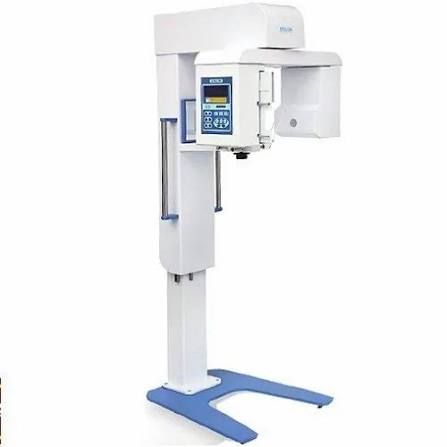
Calibration confirms that what the machine’s control panel tells you it is doing matches what the tube is actually doing, measured with an independent reference instrument rather than trusted on faith. For a diagnostic x-ray unit (intraoral, panoramic, CBCT, or general radiography), that typically covers:
- kVp accuracy: the actual peak tube voltage produced at each selected kVp setting, measured against the displayed value, since kVp directly affects image contrast and patient dose
- mA and mAs linearity: whether output stays proportional as you change tube current or exposure time, so a doubled mAs setting actually produces double the output
- Exposure timer accuracy: whether the actual exposure duration matches the set time, particularly important on older machines with mechanical or early electronic timers
- Beam alignment and collimation: whether the light field matches the actual radiation field, so the exposed area matches what the operator sees on the positioning indicator
- Half-value layer (HVL): a measure of beam filtration adequacy, which affects both image quality and unnecessary patient dose
- Reproducibility: whether repeated exposures at the same settings produce consistent output, catching intermittent faults a single measurement would miss
Each of these is measured with a calibrated reference meter (a kVp meter, dosimeter, or a combined multimeter device), not estimated by eye or inferred from image appearance. A written calibration report should state the measured values against the displayed values for each parameter tested, not just a pass or fail stamp.
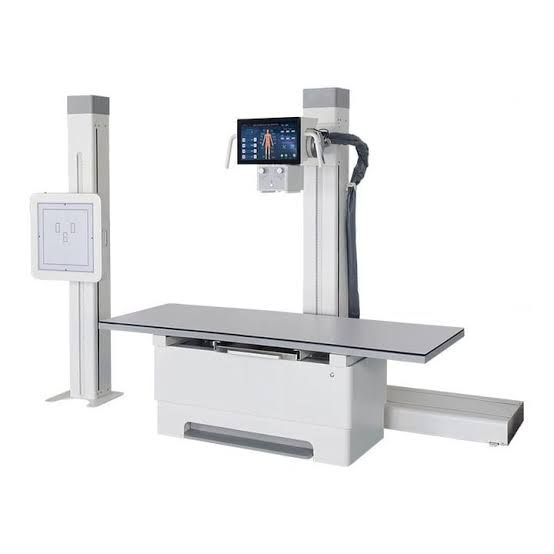
How often an x-ray machine needs calibration
Annual calibration is the common interval referenced across manufacturer service documentation and general diagnostic imaging quality assurance practice internationally. Outside that routine annual check, these events should trigger a fresh calibration regardless of when the last one happened:
- The x-ray tube has been replaced
- The machine has been relocated or reinstalled
- Image quality has visibly changed (images appearing consistently darker, lighter, or requiring repeated retakes)
- Any repair was performed on the generator, tube head, or exposure control circuitry
- The machine failed a previous calibration check and was serviced to correct it
We could not find a published, Kenya-specific regulatory standard that mandates a fixed calibration interval separate from KNRA’s own licensing and inspection cycle. Treat the annual interval above as sound general practice rather than a cited Kenyan legal requirement, and confirm your specific obligations directly with KNRA if you need a definitive answer for compliance purposes.
Calibration vs. KNRA licensing: two different things
This distinction gets confused often enough that it is worth stating plainly. The Kenya Nuclear Regulatory Authority (KNRA), established under the Nuclear Regulatory Act No. 29 of 2019 and the successor to the former Radiation Protection Board, is the body responsible for radiation safety licensing in Kenya: registering radiation sources, licensing facilities and operators, and setting radiation protection requirements. Its role is regulatory and safety-focused.
Equipment calibration is a separate, technical exercise: confirming the machine’s actual output matches its displayed settings, performed by a biomedical or radiological equipment technician with the right test instruments. A facility can hold a valid KNRA licence and still have an x-ray machine that is due, or overdue, for calibration, since licensing and calibration operate on different tracks with different purposes. Do not treat KNRA licensing status as a proxy for whether your machine’s output is currently accurate.
On the question of KNRA licensing fees specifically: we are not going to state a figure here. We are aware that different KES amounts circulate for KNRA registration and licensing costs, and we could not independently verify any of them against an official, current KNRA fee schedule. If you need the current licensing fee for your facility, contact KNRA directly rather than relying on a number from this or any other secondhand source, since licensing fee schedules can and do change.
Signs your x-ray machine may be out of calibration
- Images consistently coming out darker or lighter than expected at your usual exposure settings
- An increase in retakes for the same view type without a change in patient positioning technique
- Visible inconsistency between two exposures taken at identical settings
- The light field (positioning guide) not lining up with where the actual image ends up being captured
- Noticeably higher patient complaints about repeat exposures
None of these symptoms confirms a calibration problem on their own; a positioning error, processing issue, or detector fault can produce similar symptoms. That is exactly why a measured calibration check against a reference meter matters more than diagnosing from image appearance alone.
Who performs x-ray calibration in Kenya
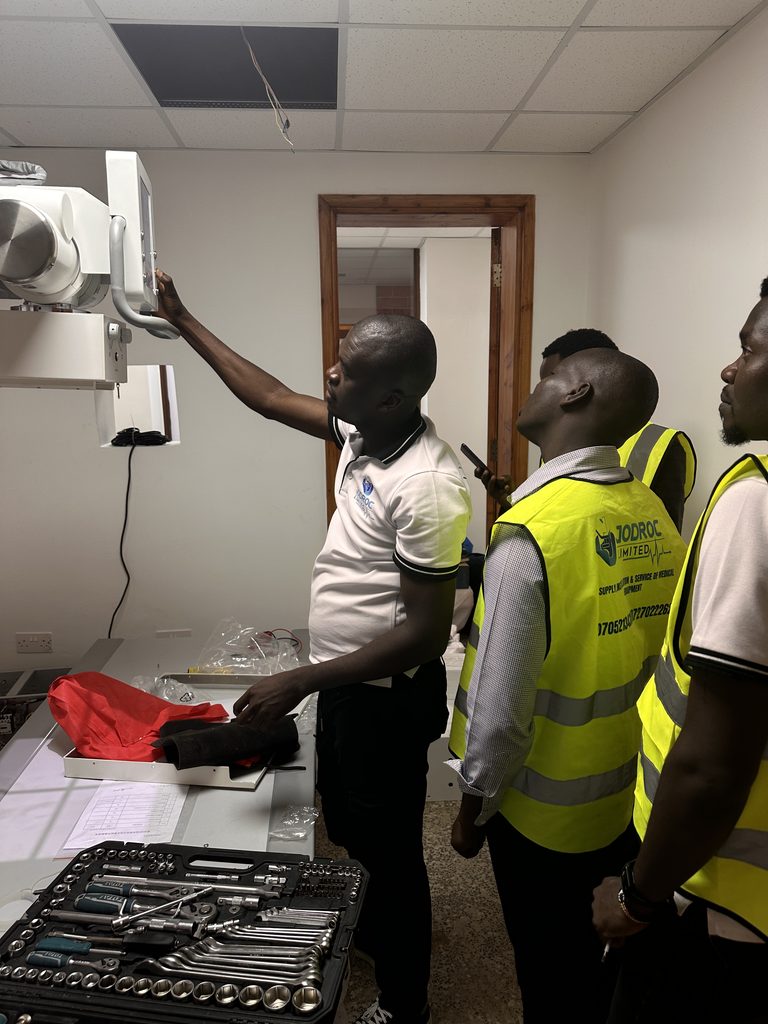
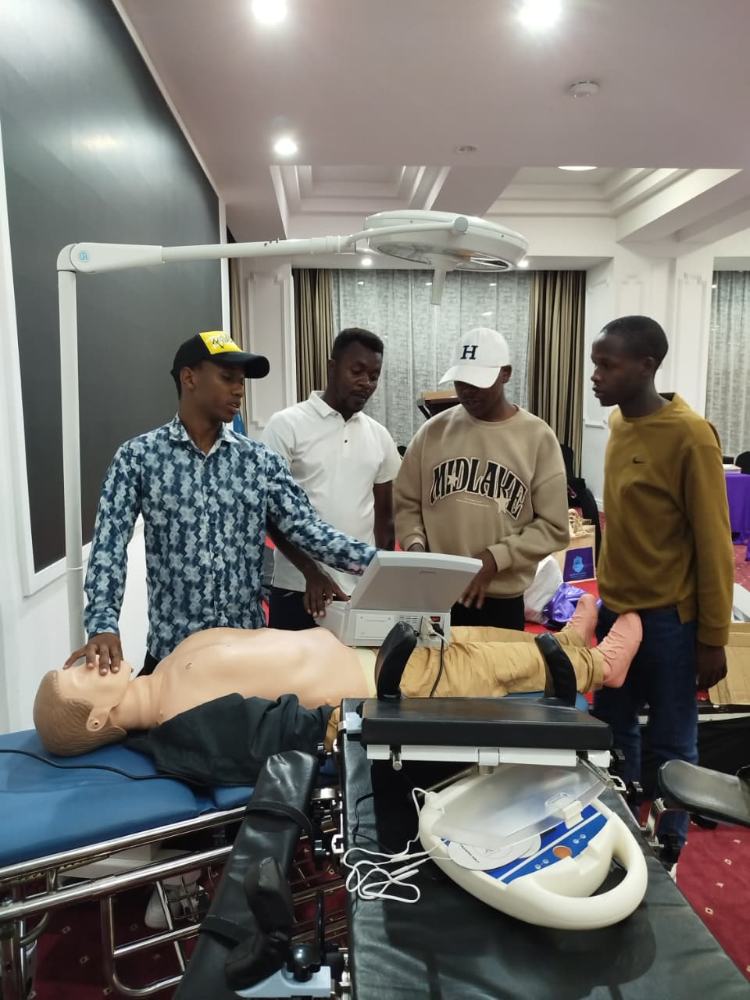
X-ray calibration is typically performed by the equipment manufacturer’s authorised service agent, or by an independent biomedical/radiological equipment service provider using a calibrated reference meter. As with other categories of medical equipment servicing in Kenya, there is no single national accreditation scheme we could confirm that certifies individual x-ray calibration technicians, so the same due-diligence questions apply here as with any other equipment service provider: ask for evidence of training on your specific machine brand, ask what reference instrument they use and whether it has its own current calibration certificate, and ask for a written report showing the actual measured values rather than a verbal “it’s fine”.
Jodroc supplies and supports dental and medical x-ray equipment and can help coordinate calibration and servicing for your imaging equipment through the appropriate channel.
What we could and couldn’t confirm
We can confirm: the Kenya Nuclear Regulatory Authority (KNRA) is the current radiation safety regulator in Kenya, established under the Nuclear Regulatory Act No. 29 of 2019, succeeding the former Radiation Protection Board. We could not find a published KNRA standard that sets a specific mandatory x-ray equipment calibration interval distinct from its licensing and inspection requirements. We could not find or verify a current, official KNRA fee schedule for facility or equipment licensing, and we are deliberately not repeating any of the figures we encountered in unverified secondary sources.
We could not find published KES pricing for x-ray calibration services in Kenya from any provider. Where our own site has previously referenced a KNRA fee figure on another page, that figure has not been independently re-verified here, and we recommend confirming any licensing cost directly with KNRA rather than relying on it.
If you are choosing between imaging systems rather than maintaining one already in service, see our comparison of intraoral x-ray vs. panoramic vs. CBCT. And since x-ray calibration is usually one item within a wider maintenance plan, our guide to how often medical equipment should be calibrated covers the broader picture, and medical equipment service contracts in Kenya covers how to structure that maintenance formally.
Calibration confirms the x-ray output is accurate. It is a separate check from whether the unit is safe to touch, which is what electrical safety testing for medical equipment in Kenya covers under IEC 62353, and both should sit on the same maintenance schedule rather than being treated as one check.
Need help with x-ray equipment servicing or calibration coordination? Jodroc supplies and supports dental and medical x-ray equipment in Nairobi.
Frequently asked questions
How often should an x-ray machine be calibrated?
Annual calibration is common practice, plus a fresh check after tube replacement, relocation, repairs to the generator or exposure circuitry, or any noticeable change in image quality. We could not confirm a Kenya-specific mandated interval separate from KNRA licensing requirements.
Is KNRA licensing the same as equipment calibration?
No. KNRA licensing is radiation safety regulation, registering the facility and source and confirming safe operating practices. Calibration is a technical check confirming the machine’s actual output matches its displayed settings. A facility can be fully licensed and still have equipment that is due for calibration.
What does an x-ray calibration check actually measure?
kVp accuracy, mA and mAs linearity, exposure timer accuracy, beam alignment and collimation, half-value layer, and output reproducibility, each measured against a calibrated reference meter, not estimated visually.
How much does KNRA licensing cost?
We could not verify a current, official KNRA fee schedule and are not repeating unverified figures here. Contact KNRA directly for current licensing costs.
What are signs my x-ray machine needs calibration?
Images consistently too dark or light, increased retakes without a positioning change, inconsistent output between identical exposures, or the light field not matching the actual exposed area. None of these confirms a calibration issue on its own, a measured check is needed to know for sure.
Who is the radiation safety regulator in Kenya?
The Kenya Nuclear Regulatory Authority (KNRA), established under the Nuclear Regulatory Act No. 29 of 2019, which replaced the former Radiation Protection Board.
Sources: Nuclear Regulatory Act No. 29 of 2019 establishing the Kenya Nuclear Regulatory Authority (KNRA); general diagnostic imaging quality assurance practice for calibration parameters and intervals. Where a claim, particularly licensing fees, could not be verified against a current official source, that gap is stated explicitly above rather than filled with an estimate.