
Who Services Anaesthesia Machines in Kenya
What we can confirm: Dräger Kenya Ltd exists as the manufacturer’s own representation in the Kenyan market for Dräger equipment, KMPDC’s Level 5B facility checklist requires an anaesthetic machine and biomedical engineering capacity, and the KSA has published a pre-anaesthetic machine checklist as clinical guidance.
Two of the annual service line items above, electrical safety testing and the monitor that runs alongside the machine during a case, have their own dedicated guides: electrical safety testing for medical equipment in Kenya and patient monitor and ECG calibration in Kenya.
Need help coordinating anaesthesia machine servicing in Nairobi? Jodroc supplies and supports medical equipment for clinics and hospitals, and can help direct you to the right servicing channel for your machine’s brand.
Frequently asked questions
How often should an anaesthesia machine be serviced?
A full manufacturer service is typically annual, per the specific machine’s service manual, in addition to daily pre-use checks and periodic in-house biomedical checks between full services. The exact interval for your machine is set by its manufacturer’s documentation, not a single Kenya-wide rule.
Who services Dräger anaesthesia machines in Kenya?
Dräger Kenya Ltd represents the brand directly in the Kenyan market and is the manufacturer-authorised channel for Dräger anaesthesia machine servicing.
Does KMPDC require a specific anaesthesia machine maintenance schedule?
KMPDC’s Level 5B facility licensing checklist requires the facility to have an anaesthetic machine and a functioning biomedical engineering unit. We could not find a published KMPDC standard that sets a specific service interval or approved provider list for anaesthesia machines.
Is vaporizer calibration part of the regular machine service?
Not automatically. Vaporizer output calibration is a separate check against a reference gas analyser and should be confirmed explicitly with your service provider rather than assumed to be included.
Can an independent biomedical engineering firm service any anaesthesia machine brand?
Only if they hold documented training or parts access for that specific brand and model. Ask for evidence of brand-specific training rather than assuming a general biomedical engineering background covers every machine.
What should a service report include?
A written report listing what was inspected, what was replaced, measured reference values where applicable (not just ‘passed’), and whether the vaporizer was calibrated separately.
What happens if an anaesthesia machine is not serviced on schedule?
Components like ventilator bellows, valves, and flow sensors can drift out of specification gradually without producing an obvious pre-use check failure, which is why the annual internal service exists separately from daily checks. We did not find a Kenya-specific documented incident to cite here, but the general engineering rationale for scheduled servicing, catching gradual component wear before it becomes a functional failure, applies regardless of location.
Sources: Kenya Medical Practitioners and Dentists Council (KMPDC) facility licensing standards; Kenya Society of Anaesthesiologists published clinical guidance; manufacturer service documentation practices for Dräger, GE Healthcare, and Mindray anaesthesia machines. Where a claim could not be verified against a published source, that gap is stated explicitly above rather than filled with an estimate.
Pricing a new machine rather than servicing an existing one? See our guide to anaesthesia machine prices in Kenya.
Short answer: anaesthesia machines in Kenya are serviced by the equipment manufacturer’s local agent (for example Dräger Kenya Ltd for Dräger machines), by independent biomedical engineering firms that carry multi-brand service contracts, and by in-house hospital biomedical engineering departments for routine checks between full services. There is no single Kenyan regulator that certifies “anaesthesia machine technicians” the way KMPDC certifies facilities, so the practical filter is brand authorisation, a documented service history, and a named biomedical engineer, not a government license held by the technician.
On this page
- Who actually services anaesthesia machines in Kenya
- In-house checks vs. full manufacturer service
- What a proper service schedule covers
- Why vaporizer calibration is a different job from machine servicing
- What KMPDC actually requires
- How to vet a service provider
- What we could and couldn’t confirm about Kenya specifically
- Frequently asked questions
Who actually services anaesthesia machines in Kenya
Three types of provider do this work in Kenya, and they are not interchangeable.
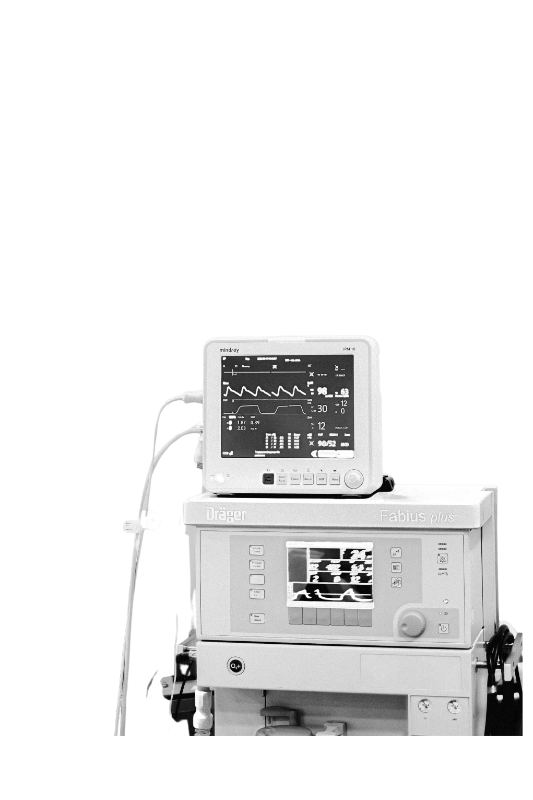
Manufacturer-authorised agents. Dräger Kenya Ltd represents Dräger anaesthesia machines directly in the Kenyan market. GE Healthcare and Mindray, the other two brands most commonly found in Kenyan operating theatres, sell and service through appointed local distributors rather than a wholly-owned local branch in every case. An authorised agent has access to the manufacturer’s genuine spare parts, service bulletins, and factory training on that specific machine model, which matters because anaesthesia machines are not interchangeable in their internals: a Dräger Fabius service technician is not automatically qualified on a GE Aisys or a Mindray A7 without separate training.
Independent multi-brand biomedical engineering firms. Kenya has a number of independent biomedical equipment service companies that hold service contracts across brands rather than representing one manufacturer. MedWare Solutions Ltd is one such Kenyan biomedical engineering firm operating in this space. We could not independently verify the specific anaesthesia machine brands or models MedWare services, their certification status with individual manufacturers, or their current service area from publicly available sources, so treat that as a starting point for your own due diligence call, not a recommendation of scope.
In-house hospital biomedical engineering departments. Larger hospitals, particularly those covered under Kenya’s Managed Equipment Services (MES) programme or with their own biomedical engineering unit, typically employ or contract a biomedical engineer who performs daily and weekly checks, first-line troubleshooting, and coordinates the deeper annual service with the manufacturer’s agent. This is the arrangement KMPDC’s facility licensing checklist points toward for Level 5B and above facilities, discussed below.
Jodroc supplies and supports medical equipment in Nairobi and works with facilities to coordinate servicing through the appropriate channel for the equipment in question. For anaesthesia machines specifically, that generally means directing a facility to the manufacturer’s authorised agent for the machine’s brand, or helping source a qualified independent biomedical engineering contact where a manufacturer agent relationship does not already exist.
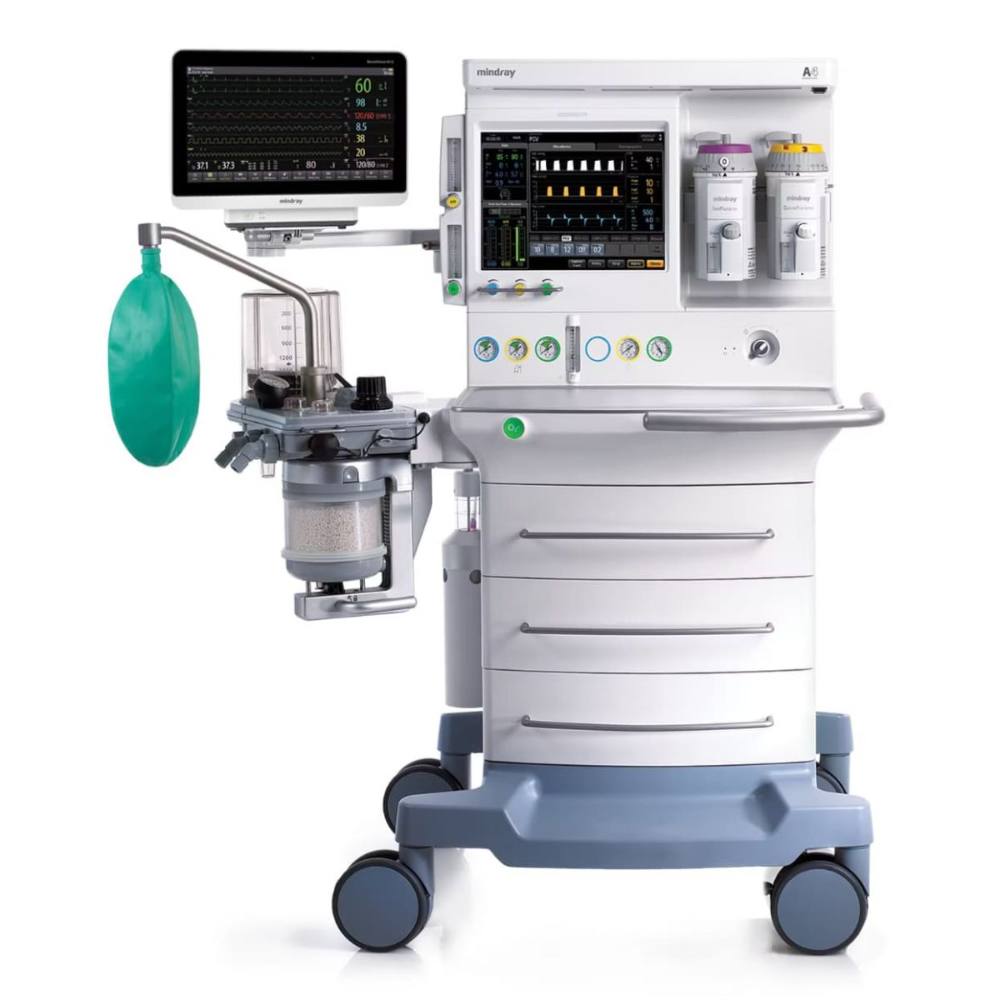
In-house checks vs. full manufacturer service
These are two different jobs done by two different people, and conflating them is one of the more common gaps we see.
| Check type | Who performs it | Typical frequency | What it covers |
|---|---|---|---|
| Pre-use check | Anaesthetist or anaesthesia technician, before each case | Before every procedure | Leak test, oxygen supply pressure, breathing circuit integrity, vaporizer level and locking, scavenging system connection, alarm function |
| In-house biomedical check | Hospital biomedical engineer or technician | Weekly to monthly, facility-dependent | Visual inspection, gas supply connections, basic function test, log review, flagging anything needing the manufacturer agent |
| Full manufacturer service | Manufacturer-authorised agent (e.g. Dräger Kenya Ltd for Dräger units) | Annually, per the manufacturer’s service manual | Internal gas delivery system, ventilator bellows and valves, flow sensor calibration, electrical safety testing, software updates, replacement of manufacturer-specified wear parts |
| Vaporizer calibration | Manufacturer agent or a vaporizer-specific calibration service | Annually, or per manufacturer interval | Output concentration accuracy across the vaporizer’s dial range, separate from the machine’s own internal service, see below |
The pre-use check is not optional and is not a substitute for the annual service. A machine can pass every pre-use leak test on a given morning and still be overdue for the deeper internal work a full service catches, worn ventilator bellows, a flow sensor drifting out of calibration, an internal valve seal degrading, none of which show up on a two-minute circuit check.
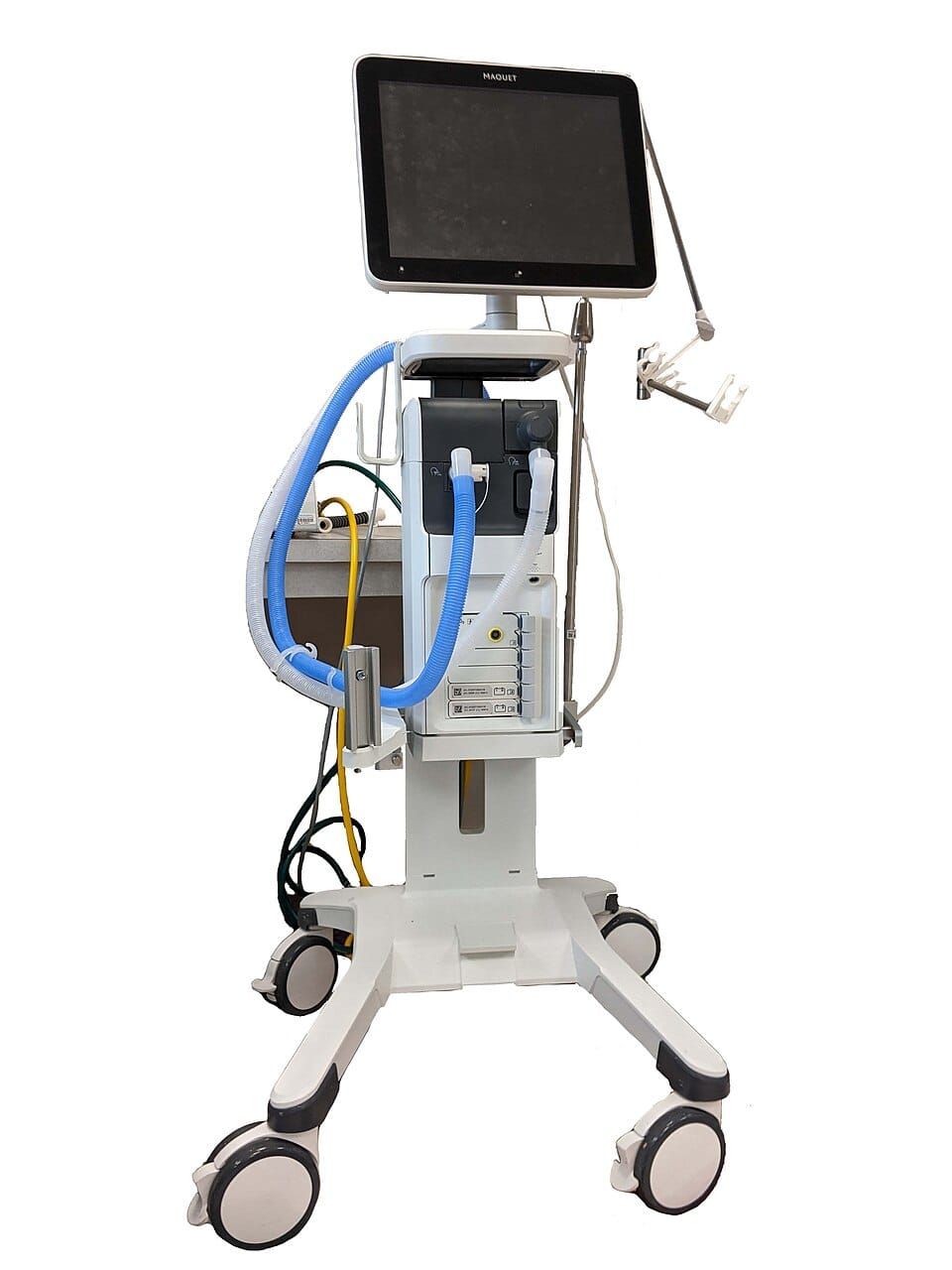
What a proper service schedule covers
Manufacturer service intervals vary by model, and the authoritative schedule for any specific machine is its own service manual, not a generic list. That said, an annual full service across the major brands (Dräger, GE Healthcare, Mindray) generally includes the following areas:
- Gas supply system: pipeline and cylinder pressure regulators, oxygen failure alarm, flowmeter accuracy across the range
- Breathing system: CO2 absorber, unidirectional valves, bellows or bag-in-bottle assembly for wear or leaks
- Ventilator: internal calibration against a reference test lung, tidal volume and pressure accuracy, alarm limit function
- Vaporizer mounting and interlock: correct seating, back-bar leak test, interlock preventing two vaporizers from being open simultaneously
- Electrical safety: earth leakage, insulation resistance, per the facility’s biomedical electrical safety testing programme
- Software and firmware: version check against manufacturer bulletins, updates where applicable
- Scavenging system: connection integrity and flow to the waste gas disposal route
A facility using an autoclave for its theatre instruments should already have a documented sterilization validation and cycle logging routine running in parallel. The same logic, a documented schedule with dated records rather than a verbal “it gets checked sometimes”, applies to anaesthesia machine servicing. Our guide to autoclave validation and cycle logging covers what that kind of documentation discipline looks like in practice for sterilization equipment, and the same record-keeping habit, a dated logbook entry per service event with the technician’s name and what was checked, is worth carrying over to anaesthesia machine maintenance even though the two are different equipment categories. For what that sterilizer-side discipline should actually confirm beyond a logged cycle, see sterilizer validation beyond the autoclave.
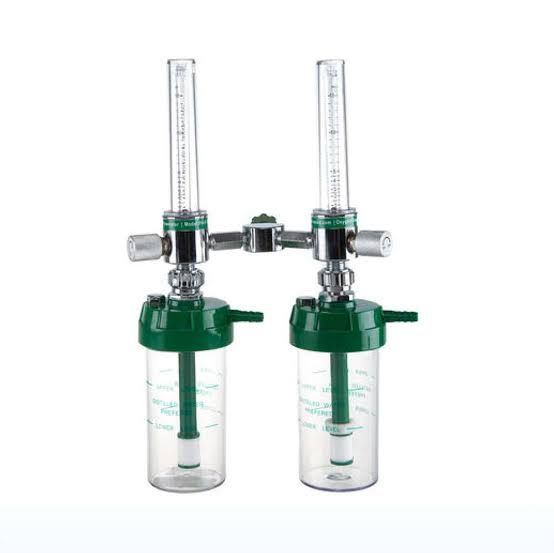
Why vaporizer calibration is a different job from machine servicing
A vaporizer (the component that adds a precise concentration of a volatile agent like sevoflurane or isoflurane to the fresh gas flow) is calibrated separately from the anaesthesia machine it sits on. The machine’s own service confirms the machine’s gas delivery, ventilator, and alarms are working. It does not, on its own, confirm that turning the vaporizer dial to 2% actually delivers 2% agent concentration across the flow range. That is a calibration check against a reference gas analyser, and it is a distinct procedure with its own interval, commonly annual, though the manufacturer’s own documentation for the specific vaporizer model is the authoritative source for that interval, not a general rule.
In practice this means a facility can have a machine that passed its annual full service and still have a vaporizer that has not been separately calibration-checked in the same period, particularly if the vaporizer was serviced by a different provider than the machine itself, or if the two checks fell on different renewal cycles. Asking a service provider “was the vaporizer output tested, and against what reference” is a reasonable question and a fair one to expect a straight answer to.
What KMPDC actually requires
The Kenya Medical Practitioners and Dentists Council (KMPDC) sets facility licensing standards by facility level. For a Level 5B facility (the tier that includes surgical services), the licensing checklist requires the facility to have an anaesthetic machine and a functioning biomedical engineering unit or equivalent arrangement as part of its equipment and support-services standard. We could not find a published KMPDC standard that specifies a required anaesthesia machine service interval, a mandated calibration frequency, or a list of approved service providers, in the way the Council specifies facility staffing ratios or bed-space requirements.
What the checklist establishes is that the equipment and the biomedical engineering capacity to support it must exist; it does not appear to prescribe a maintenance schedule down to intervals and named accreditation for the servicing itself.
The Kenya Society of Anaesthesiologists (KSA) has published clinical guidance including a pre-anaesthetic machine checklist, which addresses what an anaesthetist should verify before each case. We confirmed this checklist exists as clinical guidance; we could not confirm it sets a biomedical service interval or functions as a licensing requirement enforced by KMPDC, and are treating it as clinical practice guidance rather than a regulatory maintenance standard.
How to vet a service provider
Since there is no single Kenyan certification for “anaesthesia machine service technician,” the practical due-diligence questions are these:
- Is the provider the manufacturer’s authorised agent for this specific brand, or do they hold documented training on it? Ask for the training or authorisation reference, not just a verbal claim.
- Do they use manufacturer-specified spare parts, or generic substitutes? Ask directly, this affects both safety and warranty status.
- Will they provide a written service report listing what was checked, what was replaced, and what reference values were measured (not just “serviced, OK”)?
- Is the vaporizer calibration addressed separately, and against what reference standard?
- Do they have a documented history with your facility or comparable facilities that you can verify?
A facility weighing whether to handle servicing per-machine or under a broader arrangement covering its whole equipment inventory should also look at what a properly structured medical equipment service contract covers, since anaesthesia machines are rarely the only equipment category a facility needs a maintenance plan for.
What we could and couldn’t confirm about Kenya specifically
In the interest of not overstating what is actually documented: we could not find a published, Kenya-specific incident report or enforcement case tied to anaesthesia machine maintenance failures, and we are not citing one. We could not find published KES pricing for anaesthesia machine servicing in Kenya from any provider, manufacturer agent or independent, so any figure you encounter elsewhere should be verified directly with the provider before you rely on it. We could not confirm MedWare Solutions Ltd’s specific brand certifications or full service scope beyond their general positioning as a Kenyan biomedical engineering firm.
What we can confirm: Dräger Kenya Ltd exists as the manufacturer’s own representation in the Kenyan market for Dräger equipment, KMPDC’s Level 5B facility checklist requires an anaesthetic machine and biomedical engineering capacity, and the KSA has published a pre-anaesthetic machine checklist as clinical guidance.
Two of the annual service line items above, electrical safety testing and the monitor that runs alongside the machine during a case, have their own dedicated guides: electrical safety testing for medical equipment in Kenya and patient monitor and ECG calibration in Kenya.
Need help coordinating anaesthesia machine servicing in Nairobi? Jodroc supplies and supports medical equipment for clinics and hospitals, and can help direct you to the right servicing channel for your machine’s brand.
Frequently asked questions
How often should an anaesthesia machine be serviced?
A full manufacturer service is typically annual, per the specific machine’s service manual, in addition to daily pre-use checks and periodic in-house biomedical checks between full services. The exact interval for your machine is set by its manufacturer’s documentation, not a single Kenya-wide rule.
Who services Dräger anaesthesia machines in Kenya?
Dräger Kenya Ltd represents the brand directly in the Kenyan market and is the manufacturer-authorised channel for Dräger anaesthesia machine servicing.
Does KMPDC require a specific anaesthesia machine maintenance schedule?
KMPDC’s Level 5B facility licensing checklist requires the facility to have an anaesthetic machine and a functioning biomedical engineering unit. We could not find a published KMPDC standard that sets a specific service interval or approved provider list for anaesthesia machines.
Is vaporizer calibration part of the regular machine service?
Not automatically. Vaporizer output calibration is a separate check against a reference gas analyser and should be confirmed explicitly with your service provider rather than assumed to be included.
Can an independent biomedical engineering firm service any anaesthesia machine brand?
Only if they hold documented training or parts access for that specific brand and model. Ask for evidence of brand-specific training rather than assuming a general biomedical engineering background covers every machine.
What should a service report include?
A written report listing what was inspected, what was replaced, measured reference values where applicable (not just ‘passed’), and whether the vaporizer was calibrated separately.
What happens if an anaesthesia machine is not serviced on schedule?
Components like ventilator bellows, valves, and flow sensors can drift out of specification gradually without producing an obvious pre-use check failure, which is why the annual internal service exists separately from daily checks. We did not find a Kenya-specific documented incident to cite here, but the general engineering rationale for scheduled servicing, catching gradual component wear before it becomes a functional failure, applies regardless of location.
Sources: Kenya Medical Practitioners and Dentists Council (KMPDC) facility licensing standards; Kenya Society of Anaesthesiologists published clinical guidance; manufacturer service documentation practices for Dräger, GE Healthcare, and Mindray anaesthesia machines. Where a claim could not be verified against a published source, that gap is stated explicitly above rather than filled with an estimate.
Pricing a new machine rather than servicing an existing one? See our guide to anaesthesia machine prices in Kenya.