
Autoclave Price in Kenya: The 2026 Numbers
Short answer: an autoclave price in Kenya depends entirely on which department is buying it. A dental autoclave runs KES 95,000 to 420,000. A laboratory autoclave runs KES 165,000 to 280,000. A theatre or hospital steam steriliser runs KES 180,000 to 760,000. These are three different machines, not three price points on one product.
Figures are indicative market ranges for 2026, not a price list. Ask for a quotation against your department and load size before committing a budget.
Search for an autoclave price in Kenya and the results will not agree with each other, because “autoclave” is doing the work of three separate words. A dental surgery, a diagnostic laboratory and a hospital theatre all sterilise instruments, and all three call the machine that does it an autoclave. The machines do not share a chamber size, a cycle type, a validation requirement or anywhere close to the same price.
We supply and install all three across Kenya, Tanzania and Uganda, so the figures below are what we actually quote per department, not one blended number. If a listing gives you a single autoclave price with no department attached, ask which one it is before you compare it to anything.
What is the autoclave price in Kenya in 2026?
Three departments, three real brackets. None of them is a discount or a premium version of the others.
| Department | What it sterilises | Price |
|---|---|---|
| Dental | Handpieces, burs, small instrument sets, class N or class B | KES 95,000 to 420,000 |
| Laboratory | Contaminated waste, media and glassware before disposal or reuse | KES 165,000 to 280,000 |
| Theatre and hospital | Surgical instrument trays, wrapped sets, larger loads | KES 180,000 to 760,000 |
Ranges reflect the Kenyan market in 2026, cross-checked against our own supply figures across all three departments. All figures exclude VAT and delivery outside Nairobi.
Dental autoclave price in Kenya
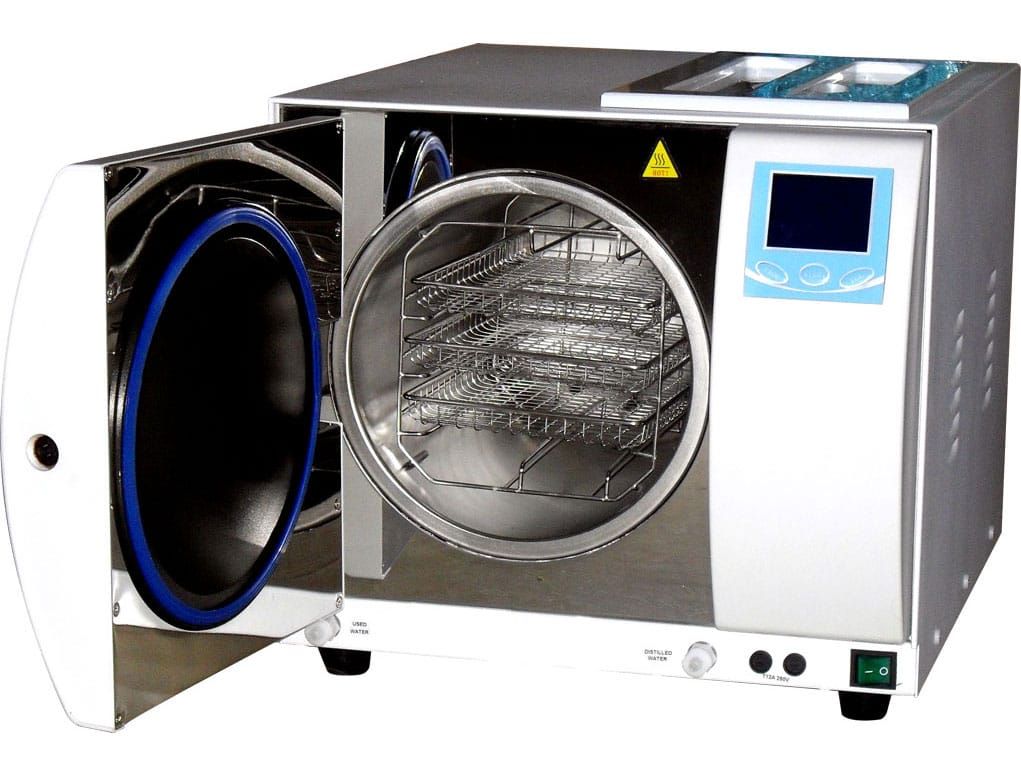
A dental autoclave runs KES 95,000 for class N up to KES 420,000 for a larger class B unit, with most single-chair clinics landing near KES 240,000. The step from class N to class B adds roughly KES 150,000, and it is not a convenience upgrade: class N cannot reliably sterilise hollow or wrapped instruments such as handpieces, while class B can. A clinic running handpieces through a class N cycle is not actually sterilising them to the standard the cycle implies.
We covered this in more detail, including how it sits against the rest of a surgery fit-out, in our guide to the cost of setting up a dental clinic in Kenya.
Laboratory autoclave price in Kenya
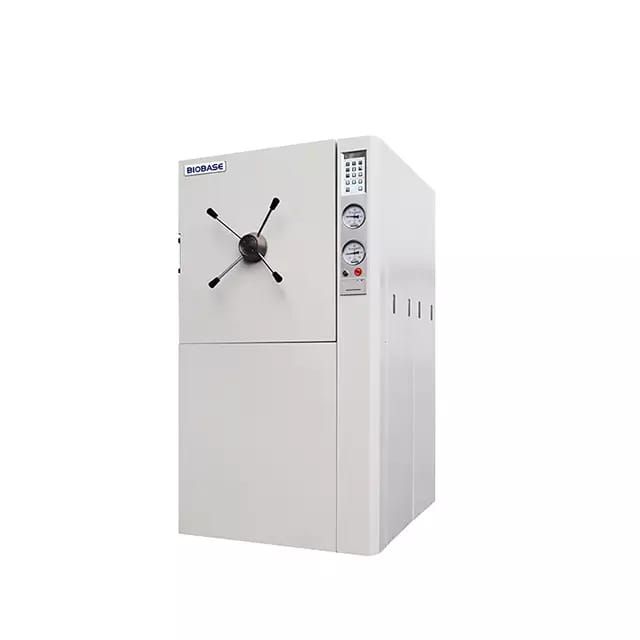
A laboratory autoclave runs KES 165,000 to 280,000. Its job is different from a dental or theatre unit: it decontaminates infectious waste, used media and glassware before they leave the bench or go back into rotation, rather than sterilising instruments for reuse on a patient. It is a line item inspectors specifically look for, and a laboratory that skips it, intending to add one later, is usually the laboratory that fails its first inspection.
Our guide to the cost of starting a medical laboratory in Kenya covers where this sits against the rest of a lab build, including the biosafety cabinet and water treatment most labs also underestimate.
Tell us the department, not a model number. Dental, laboratory or theatre? We will quote the autoclave that department actually needs.
Get an autoclave quote on WhatsApp Or send the details in writing
Theatre and hospital steriliser price in Kenya
A theatre or hospital steam steriliser runs KES 180,000 for a smaller horizontal unit up to KES 760,000 for a larger-chamber unit handling full wrapped instrument trays for a busy theatre list. This is the widest bracket of the three because chamber size and load type vary the most here: a single-theatre clinic and a multi-theatre hospital CSSD are not buying the same machine even though both call it a steriliser.
We quote this tier in full in how to equip a small hospital theatre, alongside the anaesthesia machine, patient monitor and defibrillator a theatre needs at the same time.
Class N, B and S, and what the letter actually buys
The class letter on a small steam sterilizer is not a size grade. It describes which loads the cycle can actually clear.
- Class N handles solid, unwrapped instruments only. It cannot be relied on for hollow instruments, porous loads or wrapped packs.
- Class S covers a manufacturer-specified range that sits between N and B, varying by model.
- Class B is the only class validated for hollow, porous and wrapped loads, which covers handpieces, cannulated instruments and standard wrapped surgical sets.
A class N autoclave priced well below a class B one is not a bargain if your load includes anything hollow or wrapped. The lower price buys a narrower cycle, not the same cycle for less.
Validation and running costs
The purchase price buys the chamber. Proving it still sterilises correctly is a recurring line, not a one-time cost.
| Ongoing cost | Typical range |
|---|---|
| Chemical indicator strips, per box | KES 1,500 to 4,000 |
| Biological indicator (spore) testing, per test | KES 2,500 to 6,000 |
| Annual validation and service, dental or lab unit | KES 15,000 to 35,000 |
| Annual validation and service, theatre or hospital unit | KES 40,000 to 90,000 |
Most of the equipment we are asked to fix was chosen well and specified badly. It fitted the brochure, not the load it actually has to clear. That is why we would rather spend an afternoon on the load list than send a catalogue.
Jodroc Limited, on how we quote
A sterilizer that has never been chemically or biologically indicated is not automatically failing, but nobody running it can prove otherwise. See our dedicated guide to sterilizer validation beyond the autoclave for what a full validation programme actually covers, and how often medical equipment should be calibrated for where this sits on the wider schedule.
The standards a steriliser is built to
Small dental and laboratory autoclaves are built to EN 13060, which defines the class N, S and B test loads referenced above. Larger theatre and hospital units fall under EN 285, the standard for large steam sterilizers. Asking a seller which of the two their unit is certified against, and which class it carries, is a reasonable question a brochure rarely answers unprompted.
Get your autoclave quoted
Tell us the department. We will quote the steriliser it actually needs.
Send the department, the load type (loose instruments, handpieces, wrapped sets, waste), and the chamber size you are working with if you already have one in mind. You get back an itemised quotation for that specific need, with installation, water connection and commissioning inside the figure rather than added afterwards. Our own engineers do the install, in Kenya, Tanzania and Uganda.
Send the details on WhatsApp Request a quote in writing
Fitting out a whole surgery, lab or theatre rather than one machine? See our guides to the cost of setting up a dental clinic in Kenya, the cost of starting a medical laboratory in Kenya, and how to equip a small hospital theatre.
Frequently asked questions
How much does an autoclave cost in Kenya?
It depends on the department. A dental autoclave runs KES 95,000 to 420,000, a laboratory autoclave runs KES 165,000 to 280,000, and a theatre or hospital steriliser runs KES 180,000 to 760,000. These are three different machines, not three prices for the same product.
Why is there such a big autoclave price range in Kenya?
Because “autoclave” covers three different machines used by three different departments. Chamber size, cycle class and load type all vary within each department too, which is why each bracket is a range rather than a single figure.
What is the difference between class N and class B autoclaves?
Class N can only sterilise solid, unwrapped instruments. Class B is validated for hollow, porous and wrapped loads, including handpieces and standard wrapped surgical sets. A class B unit typically costs around KES 150,000 more than class N.
Does a laboratory need its own autoclave?
Yes. A laboratory autoclave decontaminates infectious waste, media and glassware before disposal or reuse, which is a different function from sterilising instruments for reuse on a patient. Inspectors specifically check for it.
How often should an autoclave be validated?
Most facilities run chemical indicators on every cycle and biological indicator testing on a set schedule, with a full service validation at least annually. See our guide to sterilizer validation beyond the autoclave for the full breakdown.
What standard governs autoclaves sold in Kenya?
Small dental and laboratory autoclaves are built to EN 13060, which defines the class N, S and B test loads. Larger theatre and hospital units fall under EN 285, the standard for large steam sterilizers.
Sources
The autoclave price in Kenya figures above were reviewed October 2026, cross-checked against our own supply figures across all three departments. Equipment prices move with the shilling and with shipping, so ask for a current quotation before committing to a budget. This article is general guidance, not financial or legal advice.
Pricing other equipment for the same build? See our guides to the cost of setting up a dental clinic in Kenya and the cost of starting a medical laboratory in Kenya.