
Importing Medical Equipment into Kenya: PPB Registration, KEBS PVoC and the Paperwork
Short answer: importing medical equipment into Kenya needs four things in this order. A KRA PIN and an import declaration filed on KESWS. PPB medical device registration for the device itself, plus a separate PPB distribution licence for your company. A KEBS Certificate of Conformity issued under the PVoC programme before the cargo leaves the country of origin. And the levies: import duty is often 0% on medical devices, but IDF at 2.25% (minimum KES 5,000) and RDL at 2% apply on customs value, with VAT depending on the HS code.
Expect four to nine months from first application to a legally distributable device, and budget for the two failure points that cost importers the most: shipping before the PVoC inspection, and holding a registration certificate without the distribution licence that makes it usable.
Figures are indicative for 2026 and move with regulation and the shilling. Confirm current fees with PPB, KEBS and KRA before committing a budget.
Every few weeks somebody calls us from a clearing agent’s office in Mombasa. They found an ultrasound unit online at a third of the Kenyan price, paid for it, shipped it, and have now discovered that the container cannot move. Sometimes it is a missing Certificate of Conformity. Sometimes the device was never registered. Once, memorably, the company had a valid registration certificate framed on the office wall and still could not legally take delivery, because registering a device and being licensed to distribute it are two different things in Kenya, and nobody had mentioned the second one.
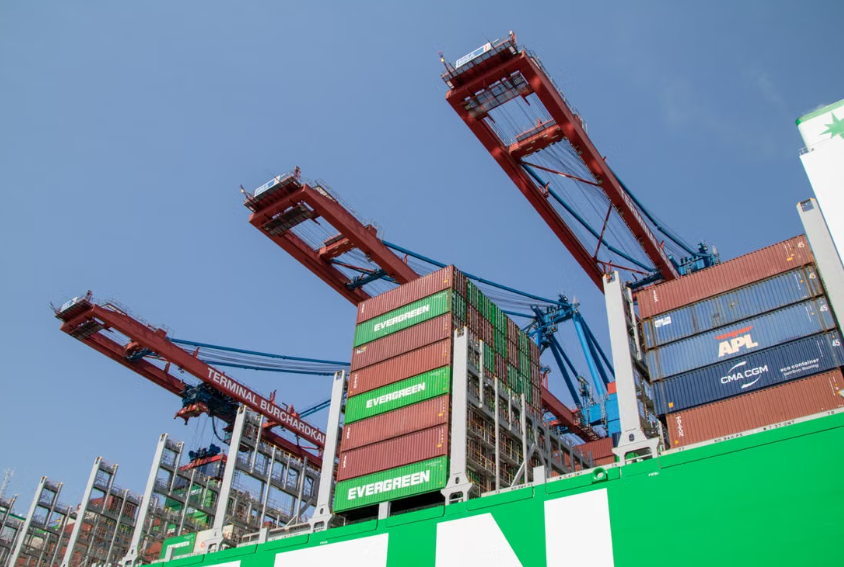
The equipment is almost never the problem. The paperwork is the problem, and the paperwork has a strict order. Do it in the wrong sequence and you pay for the privilege in storage charges while you fix it.
This is the full sequence, the current levies, the realistic timeline, and an honest account of when importing directly is worth it and when it is not.
What are the requirements for importing medical devices into Kenya?
Five requirements, and all five must be in place before the goods arrive, not after.
| Requirement | Issued by | Applies to |
|---|---|---|
| KRA PIN and active iTax account | Kenya Revenue Authority | The importing company |
| Medical device registration or listing | Pharmacy and Poisons Board | Each device, by make and model |
| Import and distribution licence | Pharmacy and Poisons Board | The importing company and its premises |
| Certificate of Conformity under PVoC | KEBS, through an appointed agent | Each consignment, inspected at origin |
| Import declaration and customs entry | KRA via KESWS / iCMS | Each consignment |
A foreign manufacturer with no Kenyan entity cannot hold these directly. It appoints a Local Authorised Representative, a Kenyan company that carries the regulatory responsibility for the device in this market. If you are buying from abroad rather than manufacturing, you are either working through someone else’s LAR or becoming one yourself.
Step 1: Classify the device
Everything downstream depends on the risk class, because the class sets the evidence you must file, the fee you pay and how long the review takes. Kenya follows the harmonised four-class system used across the East African Community, based on how much harm the device could do if it fails.
| Class | Risk | Typical devices | Review burden |
|---|---|---|---|
| Class A | Low | Examination gloves, gauze, tongue depressors, non-sterile instruments, hospital beds, stethoscopes | Lightest. Listing rather than full dossier in most cases |
| Class B | Low to moderate | Syringes, IV cannulas, suction catheters, autoclaves, dental handpieces | Moderate dossier |
| Class C | Moderate to high | Ultrasound and X-ray units, infusion pumps, anaesthesia machines, surgical lasers | Full technical dossier, longest queue |
| Class D | High | Implants, pacemakers, HIV and other critical diagnostic assays | Heaviest, plus batch-level controls |
Note that this is not the American Class I, II, III scheme. A great deal of the importing advice online is written for the United States market and quietly assumes FDA classes. If a supplier tells you a device is Class II, that tells you nothing about how PPB will treat it.
Classify before you pay a deposit. A Class C dossier for a machine you bought on impulse is an expensive way to learn that the manufacturer cannot supply the technical file you now need.
Step 2: PPB medical device registration
The Pharmacy and Poisons Board registers the device itself, by make and model. Until that entry exists, the device has no legal standing in Kenya no matter how reputable the manufacturer is.
The useful thing about the Kenyan system, and the part most importers do not know about, is the reliance pathway. PPB gives weight to approvals already granted by recognised authorities. A device carrying US FDA clearance, a CE mark under an EU notified body, or WHO prequalification can move through review faster than one presenting a technical file from scratch. If you are choosing between two suppliers on price, the one with a CE certificate and an ISO 13485 quality system is usually cheaper once you count the months.
What the dossier generally has to contain:
- Manufacturer’s ISO 13485 certificate, valid and in the manufacturer’s exact legal name
- Free Sale Certificate or Certificate of Marketing Authorisation from the country of origin
- Declaration of Conformity and the CE, FDA or WHO PQ evidence being relied on
- Device description, intended use, labelling and the instructions for use
- Technical and performance data proportionate to the risk class
- Letter of appointment of the Local Authorised Representative
- Proof of fee payment
The single most common reason a dossier bounces is a name mismatch. The ISO certificate says one legal entity, the invoice says a trading name, the Free Sale Certificate says a third thing, and the file goes back to the queue. Check that every document carries the identical manufacturer name before you submit anything.
Step 3: The distribution licence registration does not give you
This is the step that catches people, and it is worth slowing down on.
Registering a device and being licensed to distribute it are separate approvals. The registration certificate belongs to the product. The distribution licence belongs to your company and your premises. Holding the first without the second is the position we find importers in most often, usually at the point where a container has already landed.
The half-gate trap. A company can hold a perfectly valid device registration certificate and still be unable to lawfully bring the device in or sell it on, because the separate import and distribution licence was never applied for. Registration opens half the gate. Anyone building an entry plan around the certificate alone is budgeting for half a process.
PPB licenses importers, wholesalers and Local Authorised Representatives separately, and it licenses premises as well as companies. The inspection looks at whether you can actually handle regulated product to Good Distribution Practice standards: storage conditions and temperature control where the product needs it, a documented recall procedure, traceability from consignment to customer, a qualified responsible person, and records that survive an audit.
For a facility importing one ultrasound machine for its own use, that is a great deal of infrastructure to build for a single purchase. The arithmetic there is the honest centre of this article, and we come back to it below.
Step 4: KEBS PVoC and the Certificate of Conformity
The Kenya Bureau of Standards runs Pre-Export Verification of Conformity. The word that matters is pre-export. Inspection happens in the country of origin, before the goods are loaded, not when they reach Mombasa.
KEBS does not inspect abroad itself. It appoints agents by region, and you book with the agent covering the country you are buying from. The usual names are SGS, Intertek, Bureau Veritas, Cotecna and China Certification and Inspection Group. Your supplier applies, the agent inspects and tests against the applicable standard, and a Certificate of Conformity is issued against that consignment.
Ship without one and the consignment does not simply get waved through with a fine attached. It goes to destination inspection, which means the goods sit while they are tested here, and a penalty applies that is charged as a percentage of customs value. Meanwhile storage and demurrage accrue daily. We have seen a penalty and two weeks of demurrage eat the entire saving that made direct import attractive in the first place.
Three practical points. Book the inspection before you pay the supplier’s final balance, because that is the last moment you have leverage if the goods fail. The certificate covers that consignment only, so a repeat order needs a repeat inspection. And a supplier who has never handled a PVoC booking is telling you something about how often they ship to this region.
Step 5: KESWS, your KRA PIN and the declaration
Customs entry runs through the Kenya National Electronic Single Window System, KESWS or TradeNet, with the entry lodged in KRA’s iCMS. You need an active KRA PIN, and in practice a licensed clearing agent, since agents hold the system access.
What goes into the file:
- Import Declaration Form, lodged before shipment
- Commercial invoice and packing list
- Bill of Lading or Air Waybill
- Certificate of Origin
- KEBS Certificate of Conformity
- PPB registration and import permit for the device
- Proof of payment to the supplier
The IDF is lodged before shipment, not after arrival. Filing it late is a self-inflicted delay that costs storage days for no reason at all.
What it costs: duty, VAT, IDF and RDL
Kenya is not hostile to medical imports on duty. Most medical devices attract 0% import duty under the EAC Common External Tariff. The cost is in the levies that apply regardless.
| Charge | Rate | Basis |
|---|---|---|
| Import duty | Commonly 0% on medical devices | Customs value, by HS code |
| Import Declaration Fee (IDF) | 2.25%, minimum KES 5,000 | Customs value |
| Railway Development Levy (RDL) | 2% | Customs value |
| VAT | 16%, or exempt / zero-rated for certain devices | Customs value plus duty and levies |
| PVoC inspection | Agent fee, typically a percentage of FOB with a floor | Paid at origin |
| PPB registration | Per device, scaled by risk class | Paid per application |
| Clearing and forwarding | Agent fee plus port charges | Per consignment |
| Storage and demurrage | Daily, after free days expire | Only if you are late |
The VAT line is where people get caught out, and it deserves care. Some medical equipment and supplies are exempt or zero-rated under the VAT Act, and some are not. Treatment turns on the specific HS code, not on whether the item feels medical. Two devices doing similar jobs in the same room can land on different sides of that line. Confirm the code with your clearing agent before you build a budget around a VAT assumption, because a 16% surprise on a KES 3,000,000 machine is KES 480,000 you did not plan for.
A working rule for a first landed estimate: take the FOB price, add freight and insurance, then add roughly 4.25% for IDF and RDL, then apply VAT if your code attracts it, then add clearing and inland transport. For sea freight from Asia, the total arriving cost is usually 35% to 60% above the FOB price once everything is counted. That is before the registration and licensing work, which is a fixed cost you carry whether you import one machine or fifty.
How long it actually takes
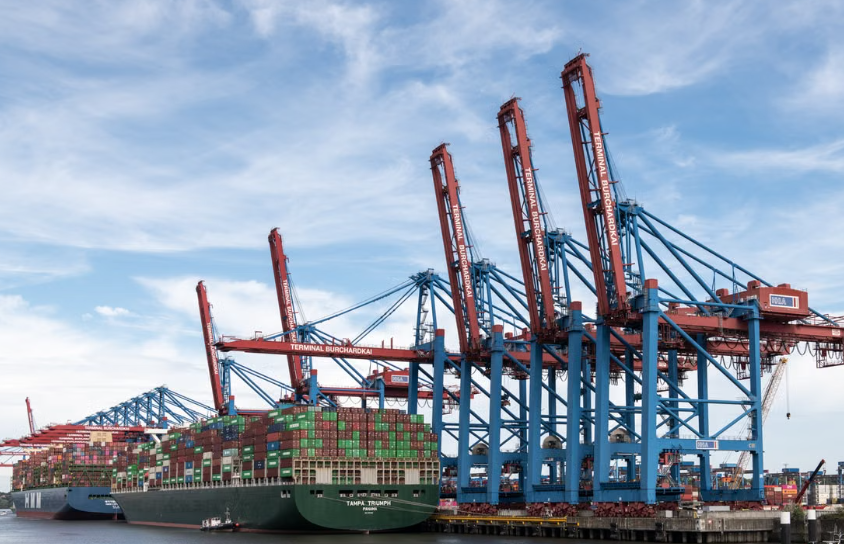
Cost is the question people ask. Time is the one that decides whether direct import makes sense, because the clock starts long before the freight does.
| Stage | Typical duration | Runs in parallel? |
|---|---|---|
| Company and premises licensing with PPB | 2 to 4 months, first time only | Yes, start immediately |
| Assembling the device dossier from the manufacturer | 2 weeks to 3 months | Yes |
| PPB device registration review | 3 to 9 months by class, longer if the file bounces | No, the gate |
| PVoC booking and inspection at origin | 1 to 3 weeks | After the supplier is confirmed |
| Sea freight, China or India to Mombasa | 25 to 40 days | No |
| Air freight | 5 to 10 days | No |
| Port clearance with a complete file | 3 to 7 days | No |
| Port clearance with a document problem | 2 to 8 weeks, plus daily charges | No |
| Inland transport to an upcountry facility | 1 to 3 days | No |
Add it up honestly for a first-time importer bringing in a Class C machine: six to twelve months from decision to a working installation, with the registration review as the immovable part. Nothing you pay speeds that up.
For a clinic, that is the number that matters. A dental chair ordered in January and commissioned in October is nine months of a surgery room earning nothing, and that lost revenue is almost always larger than the margin the direct purchase was chasing.
Importing from China: what changes
China is where most of this traffic starts, and it adds a layer of diligence rather than a different process. The Kenyan requirements above do not change. What changes is how much work you do on the supplier before you send money.
Start with the certificates, and verify them rather than just filing them. ISO 13485 and CE certificates are issued by named notified bodies and carry registration numbers you can check against the issuing body’s own register. A CE certificate from a body with no medical device scope is worth nothing to PPB, and there are plenty of those in circulation.
Then work out who you are actually buying from. A trading company listing a factory’s products is not the manufacturer, and PPB wants every document in the manufacturer’s legal name. That mismatch is the commonest reason a dossier on Chinese-origin equipment comes back. For consumables, order a sample before you order a container. For equipment, ask for the test report on the specific unit and a video of it running.
Book the PVoC inspection through the agent covering China, usually CCIC, and build it into the production schedule rather than bolting it on once the goods are ready. Match the freight to the cargo while you are there: sea for hospital furniture, bulk consumables and heavy diagnostic machinery, air for high-value or urgent items where thirty days of sea transit costs more than the airfreight premium, express courier only for samples and spare parts.
Last, and this is the one people skip: ask who services the machine in Kenya. By name. Then ring them before you buy. A device with no parts channel and no local engineer works beautifully until the day it does not, and after that it is furniture.
Five ways importers lose money at the border
- Shipping before the PVoC inspection. The saving disappears into a destination inspection penalty plus daily demurrage. This is the most expensive single mistake on this list and the easiest to avoid.
- Holding registration without the distribution licence. The half-gate. The certificate is real, the goods are real, and you still cannot lawfully take them.
- Assuming VAT exemption. The code decides, not the description. A wrong assumption on a KES 3,000,000 machine is a KES 480,000 hole.
- Name mismatches across the dossier. ISO certificate, Free Sale Certificate and invoice must name the same legal entity. One inconsistency sends the file back to the end of a queue measured in months.
- Buying equipment nobody here can service. The cheapest unit is the one with no parts channel, no local engineer and no warranty that can be honoured in Kenya. It works beautifully until it does not.
What this looks like in practice
A Nairobi diagnostic centre, 2025. The director found a refurbished ultrasound unit abroad at roughly 45% of the Kenyan landed price and bought it. The unit shipped without a Certificate of Conformity because the supplier had never handled a PVoC booking and nobody asked. It went to destination inspection.
By the time the penalty, the destination testing, twenty-three days of storage, the clearing agent’s extended engagement and an air-freighted replacement probe were counted, the landed cost had passed what a locally supplied unit with a warranty would have cost. The scan room sat empty for seven weeks. On the centre’s own throughput that was the larger loss by some distance.
He called us during week four. We did not sell him anything that month. We told him which agent to book for the re-inspection and which clearing agent to move to. He has bought from us three times since, and he has not shipped a unit himself again.
We tell that story because it is the shape of almost every one of these calls. The equipment was fine. The supplier was not dishonest. The sequence was wrong, and the sequence is unforgiving.
The other option: buy it landed
Everything above is the honest process, and if you intend to import at volume and build a distribution business, it is worth doing properly. We help companies set that up, and we would rather you got it right than learned it in a container yard.
But most of the people who read an article like this are not building a distribution business. They run a clinic, a lab or a small hospital, and they want one machine. For them the arithmetic is different, and it is worth stating plainly rather than dressing up.
When you buy a device that is already registered, already cleared and already sitting in Nairobi, this is what you are actually buying:
- The registration is already done. Not accelerated, done: the three to nine month review happened on somebody else’s clock.
- The distribution licence is ours, so there is no premises inspection to pass, no GDP procedures to write, and nobody to hire as a responsible person for a single purchase.
- If a consignment fails PVoC inspection, the penalty and the demurrage are ours. That risk never reaches your budget.
- VAT and HS classification are settled before you see a figure, so the quoted price is the price.
- Stocked items leave Nairobi the same or next day and reach upcountry facilities in one to three days. Not six to twelve months.
- There is an engineer. Ours, in Kenya, who installs it, commissions it and comes back when it faults. Parts come through a channel that already exists.
- The compliance file arrives in the envelope with the machine, certificates of conformity and registration evidence ready for SHA empanelment, KMPDC inspection and facility audits, rather than something you chase three weeks later.
The direct import saves on the sticker. The landed purchase saves the six to twelve months, the fixed licensing cost, the penalty risk and the room sitting idle. For a single machine the second number is almost always bigger. For a hundred machines it is not, which is when you should be building the licence rather than buying from us.
nnnnnWhichever route you take, the facility receiving the equipment still has to meet its own KMPDC facility licensing requirements for the level it is registered at, since an inspector checks equipment-upkeep records against the level, not against how the machine was imported.
We have been importing medical and dental equipment into this market for years and clearing it through exactly the process described above. That is the whole of what we do, and it is why the paperwork is boring to us and expensive to somebody doing it once.
Get your device checked before you order
Send us the spec sheet before you send anyone a deposit.
Give us the make, model and the supplier’s country, and we will tell you which PPB risk class it falls into, whether the certificates they have sent you will actually survive review, whether the HS code attracts VAT, and roughly what it lands at once IDF, RDL and clearing are counted. If it is already registered and in our Nairobi stock, we will quote it landed and you can skip the whole process. If it is not, we will tell you that too.
No charge for the check. We would rather spend twenty minutes reading a spec sheet than take a call from a container yard in Mombasa.
Send the spec sheet on WhatsApp
Request a landed quote in writing
Building a clinic rather than buying one machine? See what equipment a medical clinic in Kenya actually needs, or the itemised cost of setting up a dental clinic. For recurring supply, our medical consumables price list is already landed and stocked.
Frequently asked questions
What are the requirements for importing medical devices into Kenya?
A valid KRA PIN, PPB registration of the device by make and model, a PPB import and distribution licence held by the importing company, a KEBS Certificate of Conformity issued under PVoC before the goods leave the origin country, and a customs declaration filed through KESWS with the commercial invoice, packing list, bill of lading and certificate of origin. A foreign manufacturer without a Kenyan entity must also appoint a Local Authorised Representative.
How do I register a medical device with the Pharmacy and Poisons Board?
Classify the device as A, B, C or D, then file a dossier containing the manufacturer’s ISO 13485 certificate, a Free Sale Certificate from the country of origin, the Declaration of Conformity with any CE, US FDA or WHO prequalification evidence being relied on, the device description, intended use, labelling and instructions for use, technical data proportionate to the class, the Local Authorised Representative appointment letter, and proof of fee payment. PPB operates a reliance pathway, so devices already approved by a recognised authority move faster.
How long does PPB medical device registration take?
Between three and nine months depending on risk class, longer if the dossier is returned for correction. Company and premises licensing adds a further two to four months the first time. A first-time importer bringing in a Class C device should plan for six to twelve months from decision to working installation.
Is medical equipment exempt from tariffs in Kenya?
Most medical devices attract 0% import duty under the EAC Common External Tariff, so the duty line is often nil. That is not the same as duty free. The Import Declaration Fee at 2.25% of customs value with a KES 5,000 minimum and the Railway Development Levy at 2% still apply, and VAT applies unless the specific HS code is exempt or zero-rated.
Do you pay VAT on medical supplies in Kenya?
It depends on the HS code rather than on whether the item is used medically. Certain medical devices and supplies are exempt or zero-rated under the VAT Act, while others attract the standard 16%. Two similar devices can be treated differently. Confirm the classification with a clearing agent before budgeting, because a 16% surprise on a KES 3,000,000 machine is KES 480,000.
How much is the import declaration fee in Kenya?
The Import Declaration Fee is 2.25% of customs value, subject to a minimum of KES 5,000. It is lodged before shipment, not on arrival. Filing it late delays clearance and accrues storage charges.
Do I need a KEBS certificate to import medical equipment?
Yes. A Certificate of Conformity must be issued under the Pre-Export Verification of Conformity programme by a KEBS-appointed agent, inspecting in the country of origin before loading. Shipping without one sends the consignment to destination inspection, which carries a penalty charged on customs value plus daily storage and demurrage while testing is completed here.
Can I import medical equipment without registering it first?
No. Registration must be in place before the goods arrive. Unregistered devices are not cleared, and the consignment sits accruing charges while the position is regularised, which can take months. Holding a registration certificate is also not sufficient on its own: the importing company needs a separate PPB import and distribution licence.
What is a Local Authorised Representative and do I need one?
A Local Authorised Representative is a Kenyan entity appointed by a foreign manufacturer to carry regulatory responsibility for its devices in this market, including registration, vigilance reporting and recall obligations. A manufacturer with no Kenyan presence cannot register devices directly, so if you are buying from abroad you are either working through an existing LAR or becoming one.
How much does it cost to import medical equipment from China to Kenya?
As a planning figure, the total arriving cost usually runs 35% to 60% above the FOB price by sea, covering freight and insurance, IDF at 2.25%, RDL at 2%, VAT where the code attracts it, the PVoC agent fee, clearing and forwarding, port charges and inland transport. Registration and licensing sit on top as a fixed cost carried whether you import one unit or fifty.
How long is shipping from China to Kenya?
Sea freight to Mombasa runs 25 to 40 days in transit, plus three to seven days clearance with a complete document file, plus one to three days inland. Air freight is five to ten days in transit. Neither figure includes PPB registration, which is the part that determines the real timeline.
What companies supply medical equipment in Kenya?
Jodroc Limited supplies medical and dental equipment and consumables from Tom Mboya Street, off Ronald Ngala Lane, to facilities across Kenya and into Tanzania, importing under its own PPB registrations and distribution licence so equipment arrives cleared, installed and serviced by its own engineers. Ask any supplier for their registration evidence and who services the equipment in Kenya before committing.
Sources
- Pharmacy and Poisons Board, registration of medical devices and establishments
- Pharmacy and Poisons Board
- Kenya Bureau of Standards, Pre-Export Verification of Conformity
- Kenya Revenue Authority, guidance for importers
- Kenya National Electronic Single Window System (KenTrade)
Reviewed September 2026. Regulatory requirements, fees and levies change, and VAT treatment turns on the specific HS code for your device. Confirm current positions with PPB, KEBS, KRA and a licensed clearing agent before committing to a budget or a shipment. This article is general guidance, not legal, tax or customs advice.